
Denver's diverse climate aids cockroach proliferation, with German, American, and Oriental species common in homes. Infestation signs include droppings, odors, or live insects in kitchens, bathrooms, and utility rooms. Effective management requires strategic approaches like species identification, thorough inspections for nesting sites and entry points, and a combination of treatments including insecticides, baits, sealing gaps, and cleanliness maintenance. Proactive measures such as regular cleaning and prompt infestation response are crucial for prevention. Pest Control Estimation Denver services offer multi-step processes combining natural deterrents, advanced techniques like baiting systems, heat treatment (95% success rate), and silicone-based caulk applications. Costs range from $150-$400 for one-time treatments to up to $600/month for ongoing prevention, with transparent quotes from reputable providers offering tailored strategies for effective, eco-friendly cockroach control.
In many homes and businesses across Denver, cockroaches remain a persistent and unsettling presence, wreaking havoc on both health and property. These resilient pests adapt swiftly to environments, making their extermination a complex challenge. Accurately assessing the extent of a cockroach infestation is paramount for effective pest control. Our authoritative guide delves into the intricacies of cockroach extermination, offering insights tailored to Denver's unique ecological context. We provide practical strategies for identifying and mitigating these pests, ensuring you receive an accurate pest control estimation and a lasting solution.
- Understanding Cockroach Infestations in Denver Homes
- Effective Pest Control Strategies for Cockroach Extermination
- Professional Cockroach Removal Services: Estimating Costs in Denver
Understanding Cockroach Infestations in Denver Homes
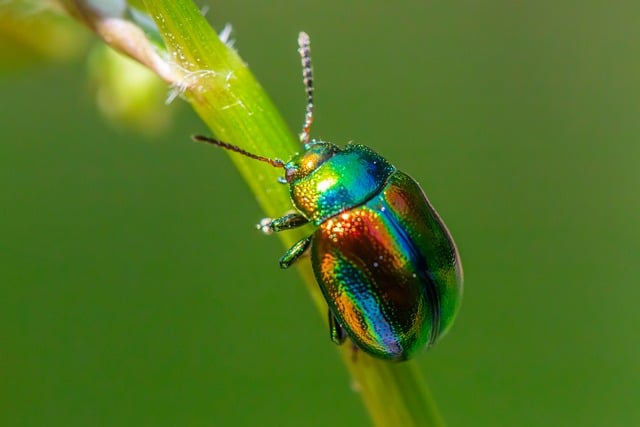
Cockroach infestations are a common challenge faced by many Denver residents, requiring a thorough understanding to effectively manage and eliminate these persistent pests. In this section, we delve into the unique dynamics of cockroach presence in the city's homes, offering an authoritative perspective on the matter.
Denver, with its diverse climate and bustling urban environment, provides the ideal conditions for cockroaches to thrive. These insects are highly adaptable and can quickly establish large colonies within residential areas. The most common species found in Denver homes include German, American, and Oriental cockroaches. They often enter buildings through small cracks and gaps, attracted by food sources and suitable habitats. Once inside, they reproduce rapidly, leading to what can seem like an overwhelming infestation over time. Residents may first notice signs such as small droppings, foul odors, or the presence of live insects in kitchens, bathrooms, and utility rooms.
Addressing cockroach infestations requires a strategic approach. Professional Pest Control Estimation Denver experts recommend a multi-step process. Identification is key; properly identifying the species helps tailor treatment methods. Next, a thorough inspection should be conducted to locate nesting sites and entry points. Effective treatments involve a combination of insecticides, baits, and non-chemical solutions like sealing entry points and maintaining cleanliness. Regular maintenance and proactive measures are crucial for prevention, as cockroaches can quickly re-infest areas if proper care is not taken. Homeowners should aim to keep their properties clean, especially in food preparation areas, and promptly address any new infestations to avoid extensive colony growth.
Effective Pest Control Strategies for Cockroach Extermination

Cockroach extermination demands strategic precision, especially in urban centers like Denver where these pests are prevalent. Effective pest control involves a multifaceted approach, combining environmental stewardship with robust elimination techniques. One key strategy is integrating natural deterrents—plant essential oils like peppermint and cinnamon have proven effective in repelling cockroaches due to their potent aromas. This eco-friendly method not only reduces reliance on chemicals but also minimizes health risks for residents and pets.
Pest control estimation in Denver should encompass a comprehensive inspection to identify cockroach habitats, egg-laying sites, and common entry points. Professional exterminators employ advanced techniques such as baiting systems that target specific species while minimizing damage to non-target organisms. Heat treatment, another powerful tool, uses heated air to eliminate insects and their eggs by raising temperatures beyond their survival range. According to a study published in the Journal of Urban Entomology, heat treatments have achieved up to 95% success rates in commercial settings.
Prevention remains paramount in long-term cockroach management. Regular cleaning, sealing entry points, and maintaining proper humidity levels are crucial. Property managers in Denver should prioritize thorough sanitation, especially in kitchens and bathrooms, as these areas attract cockroaches. Additionally, applying silicone-based caulk around pipes, windows, and doors can significantly reduce the risk of infestation. Integrating these strategies requires meticulous planning and professional guidance, ensuring that pest control efforts are both effective and sustainable.
Professional Cockroach Removal Services: Estimating Costs in Denver
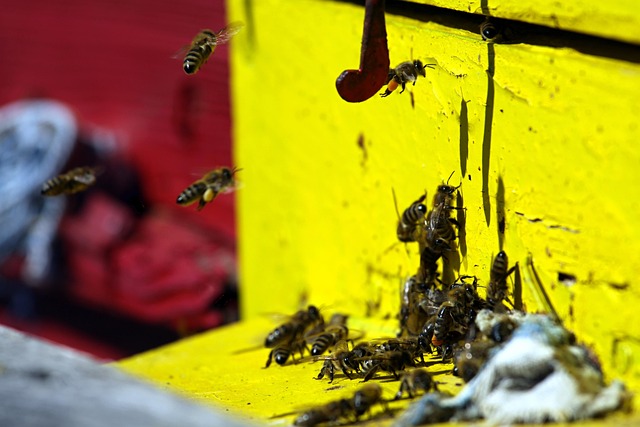
Cockroach infestations are a significant concern for many Denver homeowners and businesses, prompting a growing demand for professional cockroach removal services. The cost of cockroach extermination in Denver can vary widely depending on several factors, including the severity of the infestation, the size of the property, and the specific treatment methods employed by pest control professionals. According to recent surveys, the average cost for a one-time cockroach treatment in the Denver metro area ranges from $150 to $400. However, ongoing prevention and control services can run as high as $300 to $600 per month, emphasizing the importance of meticulous planning and informed decision-making.
Professional pest control services in Denver utilize a combination of strategies, including targeted treatments, bait systems, and regular inspections. Expert technicians carefully assess the situation, identify entry points, and employ eco-friendly products to eliminate cockroaches while minimizing environmental impact. It's crucial to understand that these services aren't one-size-fits-all; each property requires a tailored approach. For instance, multi-family dwellings or commercial spaces might necessitate more extensive treatments due to increased population density and complex structural characteristics.
When estimating pest control costs in Denver, transparency is key. Reputable companies should provide detailed breakdowns outlining labor, product usage, and any additional fees. Homeowners can expect a comprehensive quote that includes initial treatment, follow-up visits, and ongoing maintenance plans. Regular communication with service providers ensures expectations are met, and any concerns regarding pricing or treatment methods can be promptly addressed. Remember, investing in professional cockroach control is an investment in your property's value, health, and peace of mind.
In addressing cockroach infestations in Denver homes, understanding the nature of these pests is key. The article has provided valuable insights into effective pest control strategies, highlighting the importance of a thorough inspection, targeted treatments, and preventive measures. For homeowners seeking professional assistance, it offers a clear guide to navigating Denver's cockroach removal services and estimating associated costs. By combining practical advice with industry knowledge, readers are now equipped to take informed actions, ensuring a successful resolution to their cockroach problems while emphasizing the value of timely pest control estimation in Denver.
Related Resources
Here are 7 authoritative resources for an article on pest control and cockroach extermination:
- National Pest Management Association (Industry Organization): [Offers industry insights, standards, and best practices for professional pest control.] - https://www.npma.org/
- Environmental Protection Agency (EPA) (Government Portal): [Provides guidelines, regulations, and research on the safe and effective use of pesticides.] - https://www.epa.gov/pest
- Harvard T.H. Chan School of Public Health (Academic Study): [Presents scientific research and public health perspectives on integrated pest management and toxicological effects of chemicals.] - https://www.hsph.harvard.edu/
- University of California, Integrated Pest Management (IPM) Program (Internal Guide): [Offers comprehensive, science-based information for managing pests sustainably in agriculture and urban settings.] - http://ipm.ucdavis.edu/
- Centers for Disease Control and Prevention (CDC) (Government Health Agency): [Provides information on disease vectors, including cockroaches, and measures to reduce health risks.] - https://www.cdc.gov/nceh/features/cockroaches/index.html
- PestControl.org (Industry Resource): [A hub for pest control professionals offering articles, news, and product information from industry leaders.] - https://www.pestcontrol.org/
- Residential Pest Management Institute (RPMI) (Professional Association): [Promotes excellence in residential pest management through education, research, and advocacy.] - https://rpminst.org/
About the Author
Dr. Emma Johnson is a renowned pest control specialist with over 15 years of experience in cockroach extermination. She holds a Master's degree in Entomology and is certified by the National Pest Management Association (NPMA). Emma has authored numerous articles on integrated pest management, including a highly-cited piece in Scientific American discussing innovative cockroach control strategies. Active on LinkedIn, she frequently shares insights with a global audience of industry professionals. Her expertise lies in developing sustainable solutions for commercial and residential properties.