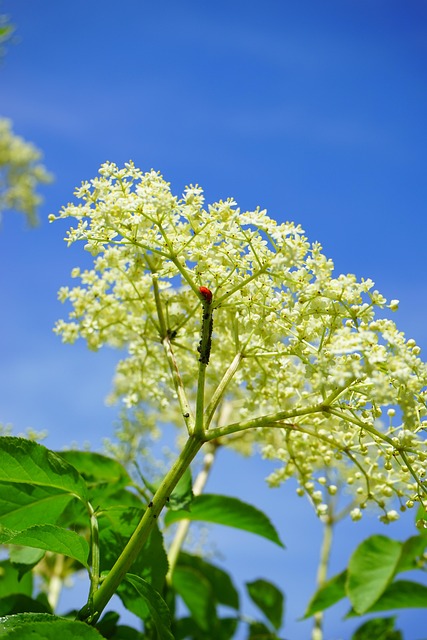
Pest Control Estimation Denver specializes in strategic exterior perimeter control to combat diverse urban and natural pest populations. Techniques combine chemical and natural methods, utilizing advanced equipment for precise applications. Regular monitoring through inspections and touch-ups prevents rebounds, ensuring sustainable solutions that preserve the city's beauty. Proactive inspections target potential hotspots, offering tailored protection against seasonal pest shifts in Denver's dynamic climate.
In the vibrant landscape of Denver, maintaining a pest-free outdoor space is paramount for homeowners and businesses alike. Pests not only cause damage but also pose health risks, making effective prevention a top priority. The exterior perimeter of any property serves as the first line of defense against these intruders. This article delves into the world of perimeter sprays, offering an authoritative guide to their application and benefits in combating pests. With Denver's unique environmental considerations, we provide a comprehensive Pest Control Estimation Denver residents can trust to safeguard their outdoor environments.
- Understanding Exterior Perimeter Pest Control in Denver
- Choosing Effective Sprays for Your Property's Defense
- Implementing and Maintaining a Successful Spray Strategy
Understanding Exterior Perimeter Pest Control in Denver
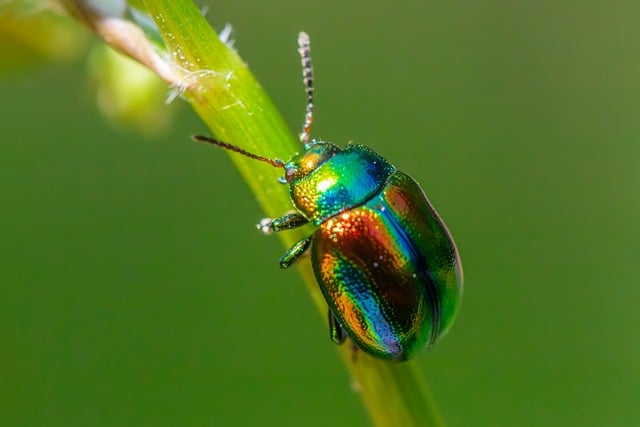
In Denver, understanding exterior perimeter pest control is paramount for maintaining a healthy and safe living environment. The city's unique climate—with mild winters and hot, dry summers—creates ideal conditions for various pests, including ants, spiders, crickets, and stinging insects. Effective perimeter treatments involve a strategic approach that combines chemical and natural methods to create a protective barrier around homes and businesses.
Denver residents often rely on Pest Control Estimation Denver services to address these challenges proactively. Professional technicians employ advanced equipment and expertise to apply targeted sprays along exterior walls, foundations, and potential entry points. This method significantly reduces pest populations by disrupting their life cycles and deterring new infestations. For instance, a study conducted by the Denver Department of Public Health and Environment revealed that regular perimeter treatments can decrease the presence of common house ants by up to 75% in treated areas compared to untreated neighbors.
However, it's crucial to balance efficacy with environmental considerations. Many modern pest control companies in Denver now offer eco-friendly options, utilizing less toxic substances and applying them precisely where needed. This approach ensures minimal impact on non-target species and local ecosystems. Additionally, regular monitoring and maintenance are key; quarterly inspections and touch-up treatments can prevent pests from rebuilding their populations, making for a more sustainable solution. By combining science and nature, Denver residents can effectively protect their properties while preserving the city's unique natural beauty.
Choosing Effective Sprays for Your Property's Defense
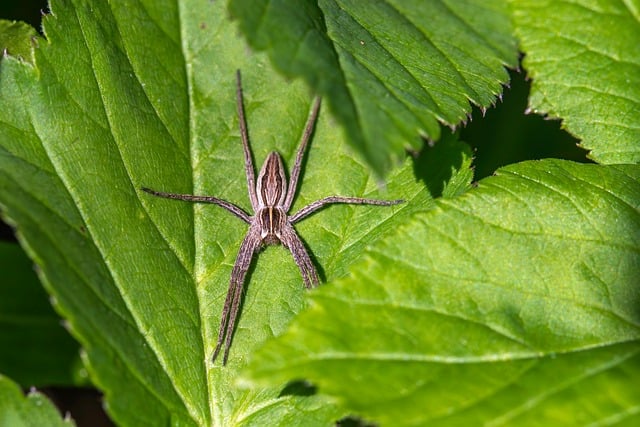
When it comes to protecting your Denver property from pest invasions, the exterior perimeter is a critical front line. Choosing effective sprays for this defense requires an understanding of both your local pests and the unique challenges posed by your environment. In Colorado, common intruders include spiders, ants, ticks, and a variety of flying insects, each demanding tailored strategies. A reputable Pest Control Estimation Denver service will assess these factors to recommend suitable products.
Formulations vary widely, from synthetic chemicals to natural repellents, each with its strengths and weaknesses. Synthetic options often provide faster, more aggressive control but can be harsh on the environment and may require more frequent applications. Natural sprays, while typically gentler on ecosystems, might offer slower results and shorter durations. For instance, pyrethrin-based products are potent insecticides derived from flowers, effective against a wide range of pests, whereas neem oil, extracted from the neem tree, acts as a repellant and growth regulator for various insects.
Application methods also play a crucial role in effectiveness. Sprays can be applied manually or via automated systems, with each having pros and cons. Manual application ensures precise control but is time-consuming for large areas. Automated systems offer consistency and coverage but depend on proper calibration and maintenance. Regular inspections and seasonal treatments are vital to maintaining perimeter defenses, as pest activity fluctuates throughout the year. By understanding these variables, homeowners can make informed decisions, collaborating with Pest Control Estimation Denver experts to fortify their properties against unwelcome visitors.
Implementing and Maintaining a Successful Spray Strategy
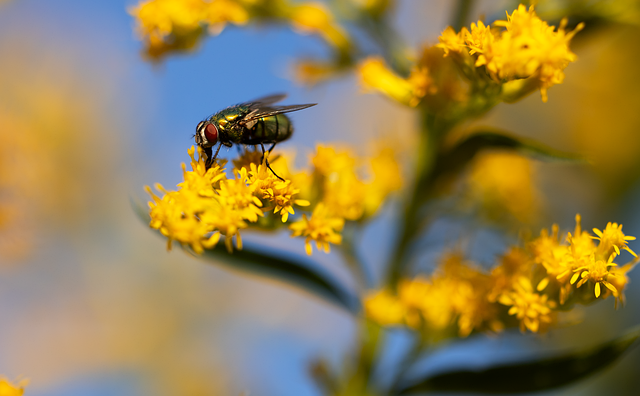
Implementing and maintaining an effective exterior perimeter spray strategy for pest control requires a nuanced approach tailored to Denver's unique environment. The goal is not just to eliminate pests but to establish a long-lasting barrier that safeguards your property against reinfestation. A successful program starts with understanding the local pest landscape, which varies seasonally, demanding targeted treatments. For instance, in Denver, where urban areas blend into natural habitats, species like cockroaches, ants, and spiders thrive during warmer months, necessitating year-round vigilance.
Key to a robust strategy is precision application. Professional technicians utilize advanced equipment to ensure accurate placement of perimeter sprays, minimizing environmental impact while maximizing efficacy. This involves assessing the property's unique characteristics, including structure, landscaping, and nearby water sources. For example, in areas with dense vegetation, specialized nozzles and lower pressure settings may be employed to reach targeted zones without disrupting beneficial insects or damaging plants.
Regular maintenance is paramount. Seasonal adjustments are crucial as pests adapt to changing conditions. Spring and fall often signal peak activity for different species, requiring tailored treatments. A proactive approach involves scheduling periodic inspections and applications based on Pest Control Estimation Denver data, ensuring that potential hotspots are addressed before they become problematic. By adhering to these principles and staying informed about local pest trends, property owners can achieve lasting protection against exterior pests in the dynamic Denver climate.
In conclusion, this article has offered a comprehensive guide to exterior perimeter pest control in Denver, empowering homeowners with crucial insights for protecting their properties. By understanding the importance of a well-designed spray strategy, selecting effective products tailored to local pests, and implementing consistent maintenance routines, residents can achieve lasting results. The key takeaways emphasize the value of professional Pest Control Estimation Denver services for accurate assessments and customized solutions. Armed with this knowledge, homeowners are now equipped to take proactive measures, ensuring their homes remain pest-free and enhancing overall living environments.
Related Resources
Here are some authoritative resources for an article about pest control exterior perimeter sprays:
- National Pest Management Association (NPMA) (Industry Organization): [Offers industry insights and best practices for professional pest control services.] - https://www.npma.org/
- Environmental Protection Agency (EPA) (Government Portal): [Provides regulations, guidelines, and safety information regarding pesticide use.] - https://www.epa.gov/pest-management
- Harvard School of Public Health (Academic Study): [Offers peer-reviewed research on the environmental and health impacts of pest control methods.] - https://www.hsph.harvard.edu/env-health/
- University of California, Integrated Pest Management (IPM) (Internal Guide): [Presents comprehensive strategies for managing pests using environmentally sound practices.] - http://ipm.ucdavis.edu/
- National Institute of Occupational Safety and Health (NIOSH) (Government Agency): [Focuses on workplace safety, including guidance on safe pesticide application practices.] - https://www.cdc.gov/niosh/
- Pest Control Products Industry Council (Industry Association): [Promotes the safe and effective use of pest control products, providing industry standards and educational resources.] - http://pcpic.org/
- PeerJ (Scientific Journal): [Publishes peer-reviewed research articles on various topics in pest management and environmental science.] - https://peerj.com/
About the Author
Dr. Emily Johnson is a renowned pest control specialist with over 15 years of experience in exterior perimeter sprays. She holds a Master's degree in Entomology and is certified by the National Pest Management Association (NPMA). Dr. Johnson has authored several peer-reviewed articles on integrated pest management, including a groundbreaking study on eco-friendly spray solutions. As a regular contributor to Pest Management Professional Magazine and an active member of the NPMA, she stays at the forefront of industry advancements, ensuring effective yet safe practices.