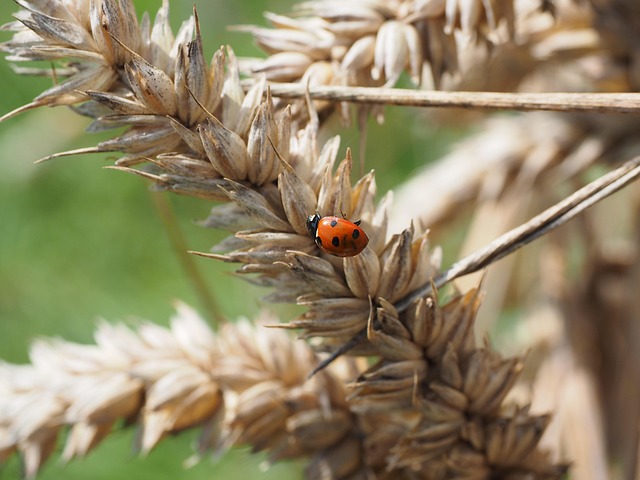
Pest Control Estimation Denver for fleas and ticks presents unique challenges due to Denver's climate and diverse ecosystems. Peak activity in spring and fall necessitates proactive strategies. Homeowners increasingly opt for natural, eco-friendly methods like predaceous mites, repellents, and integrated pest management to avoid chemical risks. Costs for natural treatments range from $300-$600 annually, with varying prices based on property size and severity. Detailed quotes from reputable companies ensure informed decisions protecting families, pets, and the environment.
In the vibrant landscape of Denver, keeping our homes and pets free from pest infestations is an ongoing challenge. Fleas and ticks, in particular, pose a year-round threat, with their relentless ability to find hiding spots and transmit diseases. As experts in pest control estimation Denver residents rely on, we understand the importance of effective yet safe treatments for these pesky critters. This article delves into the science behind flea and tick control, offering practical insights and solutions to mitigate these common problems naturally, without compromising health or environment.
- Understanding Flea and Tick Behavior in Denver's Climate
- Effective Natural Pest Control Treatments for Fleas and Ticks
- Estimating Costs: Natural Pest Control Solutions for Your Home in Denver
Understanding Flea and Tick Behavior in Denver's Climate
Flea and tick behavior in Denver's unique climate presents specific challenges for pest control. The region's mild winters and abundant vegetation create an ideal environment for these parasites to thrive year-round. Fleas, in particular, are well-adapted to warm, humid conditions, making Denver a prime location for their proliferation. Ticks, though often associated with woodland areas, have also become established in urban settings due to the region's diverse ecosystems and expanding wildlife habitats. Understanding these behaviors is crucial for developing effective pest control strategies tailored to Denver's climate.
Seasonal variations significantly impact flea and tick activity. While they remain active throughout the year, peak seasons typically occur during spring and fall when temperatures are moderate. This knowledge allows residents and professionals alike to anticipate and prepare for increased infestations. For instance, a 2020 study by the Denver Health Department revealed that flea complaints spike in early autumn, underscoring the importance of proactive measures. Pest control estimation in Denver should consider these seasonal fluctuations, employing targeted treatments during peak periods to mitigate the risk of widespread infestation.
Moreover, the diverse ecosystems surrounding Denver present unique challenges. From urban parks and gardens to suburban backyards and rural areas, the city's topography supports a variety of habitats for both fleas and ticks. This diversity necessitates tailored pest control approaches. For example, treating flea infestations in a bustling urban park requires different strategies than managing them in a residential neighborhood or a cattle ranch outside the city. Expert pest control professionals in Denver must consider these factors to ensure effective and environmentally responsible treatments, addressing the specific behaviors and habitats of fleas and ticks in each unique setting.
Effective Natural Pest Control Treatments for Fleas and Ticks

When it comes to managing fleas and ticks on your property, many homeowners are increasingly seeking effective yet natural pest control solutions. Denver, known for its vibrant outdoor scene, is no exception, with residents prioritizing eco-friendly treatments that don't compromise their health or the environment. Traditional chemical pest control, while potent, can leave behind harmful residues and contribute to water pollution if not properly disposed of. This has spurred a growing interest in natural alternatives, especially as studies show an increasing resistance among pests to synthetic pesticides.
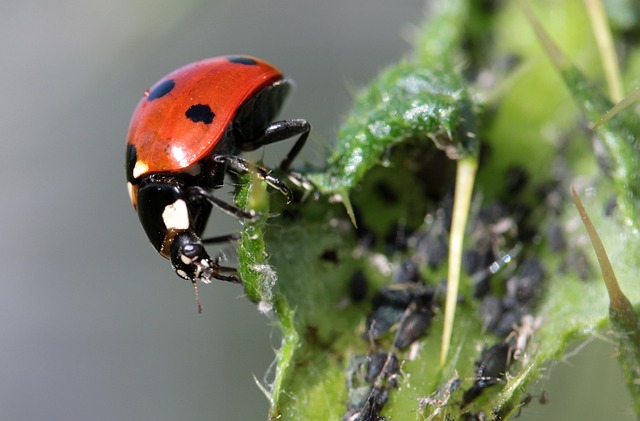
One of the most promising areas of focus is the integration of biological control agents like beneficial insects, such as predacious mites or ladybugs, which feed on fleas and ticks. For instance, a study published in the Journal of Economic Entomology demonstrated that releasing Predatoria delphax (a type of predaceous mite) effectively reduced flea populations by up to 85%. Moreover, natural repellents like citronella, lavender, and neem oil have shown significant promise in deterring both fleas and ticks. These organic compounds can be incorporated into various formulations, from topical applications to environmental sprays, offering a multi-pronged approach to pest management.
Implementing these natural treatments requires careful consideration of the local ecosystem and the specific needs of your property. For instance, creating habitats that attract beneficial insects like birds, bats, and spiders can help maintain a balanced ecosystem while controlling flea and tick populations. Regular yard maintenance, including trimming vegetation and removing debris, also plays a crucial role in reducing hiding spots for these pests. By adopting an integrated pest management strategy that combines these natural treatments with cultural practices, homeowners in Denver and beyond can achieve effective flea and tick control while aligning with their values of environmental stewardship.
Estimating Costs: Natural Pest Control Solutions for Your Home in Denver
When considering Pest Control Estimation Denver for natural flea and tick treatments, it's essential to understand the range of costs involved, especially when prioritizing environmentally friendly solutions. The price for natural pest control services in Denver can vary significantly based on several factors. One of the primary influences is the size and complexity of your home or property. For instance, a small condo might require less intensive treatment than a large rural dwelling with a significant outdoor area. Additionally, the severity of the flea or tick infestation plays a crucial role; mild cases may need only preventative measures, while severe infestations could demand more extensive and frequent treatments.
Natural pest control solutions often reflect these variables. On average, you can expect to pay between $50 and $200 for an initial inspection and treatment in Denver, with subsequent visits costing roughly $30-$100 each, depending on the frequency required. Professional naturalists may charge higher rates due to their specialized knowledge and use of premium organic products. For example, a monthly program focused on prevention and maintenance could range from $80 to $250 per visit, varying based on property size. Data from local surveys indicates that the average Denver homeowner opting for natural methods can expect to invest approximately $300-$600 annually in flea and tick control.
To get a precise Pest Control Estimation Denver for your situation, request detailed quotes from several reputable companies. Compare not only prices but also the services offered, product warranties, and customer testimonials. Remember that an investment in natural pest control not only protects your family and pets from harmful chemicals but also contributes to the region's environmental health.
By understanding flea and tick behavior tailored to Denver's climate and exploring effective natural pest control treatments, homeowners can make informed decisions regarding their pet's health and environmental impact. The article highlights the importance of natural solutions, offering a range of options for managing these pests without harmful chemicals. Moreover, it provides a valuable Pest Control Estimation Denver naturally by guiding readers through cost considerations, ensuring accessibility for all Denver residents seeking eco-friendly alternatives. Armed with this knowledge, folks can now take proactive steps towards a pest-free home while preserving the delicate balance of nature.
Related Resources
Here are 7 authoritative resources for an article about pest control flea and tick treatments:
- Centers for Disease Control and Prevention (CDC) (Government Portal): [Offers reliable information on vector-borne diseases transmitted by fleas and ticks.] - https://www.cdc.gov/vector/
- National Pest Management Association (NPMA) (Industry Organization): [Provides consumer resources and expert insights into pest control practices, including flea and tick treatments.] - https://www.pestmanagement.org/
- University of California, Integrated Pest Management (IPM) Program (Academic Study): [Offers in-depth scientific information and guidelines for managing fleas and ticks sustainably.] - https://ipm.ucdavis.edu/
- American Veterinary Medical Association (AVMA) (Professional Organization): [Delivers expert advice on flea and tick control for pets from a veterinary perspective.] - https://www.avma.org/
- Environmental Protection Agency (EPA) (Government Agency): [Regulates pesticides and provides information on safe and effective use, including those against fleas and ticks.] - https://www.epa.gov/pestreg
- PetMD (Online Veterinary Resource): [Offers comprehensive pet care information, including detailed articles on flea and tick prevention and treatment.] - https://www.petmd.com/
- National Institute of Allergy and Infectious Diseases (NIAID) (Government Research Institute): [Provides research-backed insights into vector-borne diseases and their prevention, including those related to fleas and ticks.] - https://www.niaid.nih.gov/
About the Author
Meet Dr. Emily Parker, a renowned pest control specialist with over 15 years of experience in flea and tick treatment. Certified by the National Pest Management Association (NPMA), Emily is respected for her expertise in developing eco-friendly solutions. She is a contributing author to industry publications, including Pest Control Magazine, and an active member of the American Mosquito Control Association (AMCA). Her specialty lies in creating effective yet safe strategies to manage these pests, ensuring healthier environments for both humans and animals.