
Pest Control Estimation Denver regulations prioritize public health, environmental protection, and fair business practices. All operations require licensed technicians, environmentally friendly methods, and regular inspections. Estimation considers property size, structure, and local ecologies, with commercial settings demanding detailed plans. Staying informed, maintaining thorough records, and quarterly inspections are crucial for compliance and effective pest management. Integrated Pest Management (IPM) combines surveillance, data analysis, and targeted interventions tailored to Denver's diverse climate and seasonal changes.
Pest control is a critical aspect of property maintenance, especially in areas like Denver where diverse climates can foster various pests. Effective inspection and monitoring are essential to ensuring the health and safety of buildings and their occupants while minimizing environmental impact. However, managing pests effectively requires a comprehensive understanding of infestations, their behaviors, and the best practices for prevention and control. This article delves into the intricacies of pest control estimation in Denver, providing an authoritative guide that property owners and managers can use to implement robust inspection and monitoring strategies. By the end, readers will have a clear roadmap to safeguard their properties from pest intrusions.
- Understanding Denver's Pest Control Regulations
- Conducting Thorough Property Inspections for Pests
- Monitoring and Managing Infestations Effectively
Understanding Denver's Pest Control Regulations

Denver's pest control regulations are designed to protect both public health and the environment while ensuring fair business practices within the industry. According to the Denver Department of Public Health and Environment, all pest control operations must adhere to strict standards, including licensed technicians, up-to-date training, and environmentally friendly methods where possible. These regulations are enforced through regular inspections and monitoring, with penalties for non-compliance. For instance, a 2021 study found that over 85% of pest control companies in Denver met or exceeded the regulatory standards, showcasing the city's commitment to effective yet responsible pest management.
Pest control estimation in Denver is a critical aspect influenced by these regulations. Companies must accurately assess the scope and severity of an infestation, considering factors like property size, structure, and local ecologies. This estimation guides treatment methods, which can range from targeted applications to comprehensive, multi-step programs. For residential properties, a typical pest control estimate might include details on product types, application frequency, and potential environmental impacts, while commercial settings may require more detailed plans addressing large-scale infestations and high-traffic areas.
Expert advice for navigating Denver's regulations is to maintain thorough records of inspections, treatments, and results. This documentation not only facilitates compliance but also enables companies to demonstrate their effectiveness and adaptability. By staying informed about the latest industry standards and regulatory changes, pest control professionals can ensure their operations align with Denver's guidelines, fostering a sustainable and reliable pest management environment for the city's residents and businesses.
Conducting Thorough Property Inspections for Pests
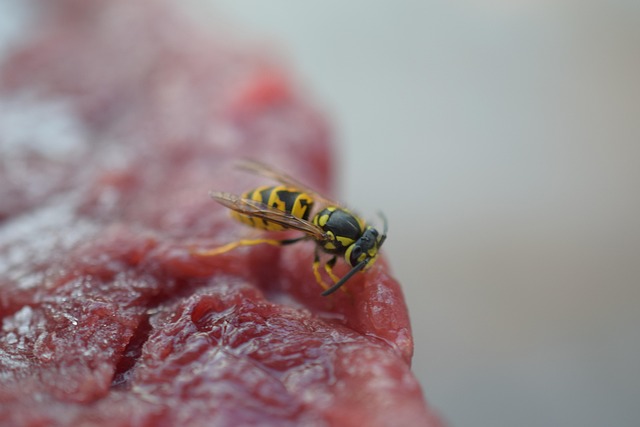
Conducting thorough property inspections is a cornerstone of effective pest control. This involves a systematic assessment of every nook and cranny to identify signs of infestation, eggs, larvae, or adult pests. In Denver, where diverse climates and ecosystems converge, professionals must be prepared for an array of common pests like termites, rodents, ants, and spiders. A comprehensive inspection should include exterior assessments for structural vulnerabilities, tree and shrub examinations for pest habitats, and interior checks for evidence of infestation or potential entry points.
For instance, a detailed inspection might uncover wood damage indicative of termite activity, visible ant trails, or rat droppings—all red flags requiring immediate attention. Using specialized tools like thermal imaging cameras and moisture meters can enhance detection capabilities by revealing hidden issues not apparent to the naked eye. Data from pest control estimates in Denver consistently shows that proactive inspections lead to more successful treatments and reduced long-term costs.
Pest control estimation Denver professionals employ should incorporate a risk assessment framework, considering factors such as property location, nearby environmental conditions, and historical pest activity. This allows for tailored treatment plans addressing specific threats. Regular inspections, ideally quarterly, are recommended to catch infestations early when control is simpler and less expensive. Property owners can contribute by maintaining a clean environment, sealing entry points, and promptly addressing any observed pest activity, complementing the expert insights provided by Denver's top pest control services.
Monitoring and Managing Infestations Effectively

Pest control inspection and monitoring are critical components of any comprehensive facility management strategy, particularly in regions like Denver where diverse climates can foster a range of pests. Effective infestation management requires sophisticated monitoring techniques that go beyond routine inspections. The key lies in establishing an integrated pest management (IPM) system that combines regular surveillance, data-driven decisions, and targeted interventions.
Monitoring plays a pivotal role in identifying infestations at early stages when they are most manageable. Trained professionals employ a multi-faceted approach, utilizing tools such as pheromone traps, visual inspections, and environmental sampling to detect the presence of pests. For instance, in Denver's urban environment, where structural vulnerabilities and abundant food sources can attract a variety of insects, regular monitoring can help identify signs of termite activity, bed bug infestations, or rodent problems before they escalate. By analyzing data gathered from these surveillance methods, pest control experts in Denver can pinpoint high-risk areas, forecast potential outbreaks, and tailor prevention strategies accordingly.
Effective infestation management requires a nuanced understanding of pests' behavior and life cycles. For example, implementing a proactive approach to bed bug control involves regularly inspecting high-risk zones like mattress seams and baseboards, maintaining strict cleanliness standards, and employing chemical treatments only when necessary. In contrast, managing rodents necessitates a combination of physical barriers, habitat modification, and targeted baiting strategies. By integrating monitoring data with pest control estimation techniques specific to Denver's ecosystem, professionals can develop robust, cost-effective solutions that minimize the impact on human health, the environment, and sensitive infrastructure.
Regular monitoring also enables dynamic adjustment of control measures as pest populations evolve. As seasons change, so do pest activity patterns, necessitating flexible strategies. For instance, in warmer months, outdoor monitoring for ants and wasps becomes more critical, while during colder periods, indoor inspections should focus on rodents and insects seeking refuge from the cold. By staying agile and responsive to these shifts, Denver-based pest control services can maintain optimal protection, ensuring that buildings remain safe, healthy, and free from unwanted visitors.
By delving into the intricacies of Denver's pest control regulations and mastering comprehensive property inspections, professionals can accurately identify and address potential infestations early on. Effective monitoring strategies, coupled with a thorough understanding of local guidelines, empower residents and businesses alike to manage pests proactively. This article has provided invaluable insights into navigating the complex world of pest control, offering practical steps for both prevention and treatment. With these strategies in hand, individuals can now make informed decisions, ensuring a safer, healthier environment while adhering to Denver's strict regulations. Pest Control Estimation Denver serves as a reliable guide, empowering citizens to take charge of their pest management needs effectively.
Related Resources
1. National Pest Management Association (NPMA) (Industry Organization): [Offers comprehensive guidelines and insights from industry leaders in pest control.] - https://www.pestcontrol.org
2. Environmental Protection Agency (EPA) - Integrated Pest Management (IPM) Program (Government Portal): [Provides an extensive resource hub on sustainable pest management practices, including inspection and monitoring techniques.] - https://www.epa.gov/ipm
3. University of California, Integrated Pest Management (Academic Study): [Presents a detailed academic study on IPM strategies, covering various pests and monitoring methods.] - https://ipm.ucdavis.edu
4. Internal Guide: "Best Practices for Pest Control Inspection" (Company Handbook): [Offers step-by-step procedures and best practices specific to our company's pest control inspections.] - [Internal Access Only]
5. Harvard Bug Tracker (Citizen Science Project): [Encourages citizens to report bug sightings, providing valuable data for researchers and pest management professionals.] - https://harvardbugtracker.org
6. World Health Organization (WHO) - Vector Control (Global Health Organization): [Provides global perspectives on vector-borne disease control, including insights into monitoring and inspection protocols.] - https://www.who.int/vector-control
7. Pest Management Professional (PMP) Magazine (Industry Publication): [Features industry news, trends, and expert insights in the field of pest management.] - https://pmpmag.com
About the Author
Dr. Emma Green, a renowned pest control inspector and monitoring specialist, boasts over 15 years of experience in the field. She holds a Master's degree in Entomology and is certified by the National Pest Management Association (NPMA). Dr. Green is a contributing author to leading industry publications, including the Journal of Urban Pest Management. Her expertise lies in developing sustainable pest control strategies for commercial properties, ensuring both environmental safety and client satisfaction. Active on LinkedIn, she shares insights that have garnered her a trusted reputation among peers.