Wasp and hornet nests pose significant safety risks, requiring professional Pest Control Estimation Denver services for safe removal. Key insights include:
1. Identification: Look for swarms or pungent odors.
2. Risk Reduction: Professionals minimize sting risk by 90%, offering advanced techniques and eco-conscious methods.
3. Cost & Service: Estimates range from $150 to $400, with detailed breakdowns, warranties, and same-day service available.
4. DIY Risks: Avoid DIY for larger nests or aggressive species; professionals offer swift, secure resolutions.
5. Prevention: Regular inspections, sealing entry points, and chemical-free zones help deter pests.
Pest control is a vital aspect of maintaining healthy environments, whether it's in homes, gardens, or commercial spaces. Among the most challenging pests to manage are wasp and hornet nests, which can pose significant risks to human health and property. These stinging insects build intricate structures that, if left unchecked, can become hazardous. In Denver, where natural pest control methods thrive, understanding how to safely remove these nests is crucial for both residents and professionals. This article provides an authoritative guide to effective wasp and hornet nest removal, offering practical insights and expert advice tailored to the unique ecologies of the region.
- Understanding Wasp and Hornet Nests: Identification and Safety
- Effective Pest Control Methods for Nest Removal in Denver
- Professional Assistance: Estimating Costs and Hiring Experts
Understanding Wasp and Hornet Nests: Identification and Safety

Wasp and hornet nests are often overlooked until they pose a significant threat to safety and property. Understanding these structures is crucial for effective pest control and prevention. Both wasps and hornets build distinctive nests that serve as their colony centers, typically located in attics, walls, or trees. These nests can range from small, paper-like structures to larger, complex compartments with intricate designs. Wasps, such as yellow jackets, construct open-celled paper nests, while hornets prefer more substantial, closed-compartmented nests made of a similar material but formed in a more compact manner.
Identification is the first step in managing these pests. Property owners should be vigilant for telltale signs like a swarm emerging from a specific area or a pungent odor. If a nest is discovered, it's advisable to contact professional pest control services, especially in Denver, where such incidents are not uncommon. A trained eye can spot subtle differences in nest architecture and species behavior, which play a vital role in devising the best course of action. For instance, hornet nests often signal a more aggressive defense mechanism, necessitating specialized equipment and techniques for safe removal.
Safety is paramount when addressing wasp or hornet nests. Do-it-yourself attempts can be risky, as these insects are protective of their colonies. Data from local pest control estimates in Denver show that professional services reduce the risk of stings by over 90% compared to DIY methods. Trained technicians wear protective gear and employ safe removal practices, ensuring minimal disruption to the environment. They also provide insights into prevention strategies, like sealing entry points and maintaining a chemical-free zone around the property, which are essential for long-term control.
Effective Pest Control Methods for Nest Removal in Denver

In Denver, pest control wasp and hornet nest removal requires a strategic approach given the region's unique ecosystem and climate. Effective methods demand a thorough understanding of these invasive species' behaviors and habitats. Professional pest control services in Denver leverage advanced techniques to ensure safe and comprehensive nest removal. One tried-and-true method involves targeted chemical applications, with specialized insecticides that disrupt the nerve systems of wasps and hornets, rendering them neutralized without harming local wildlife or human health. For instance, pyrethroids, a class of synthetic pesticides derived from natural compounds, have shown promising results in Denver's pest control estimation, offering both potency and selectivity.
However, chemical interventions should be considered as a last resort due to potential environmental impact and the emergence of pesticide resistance. Alternative approaches like mechanical removal, where trained technicians use specialized equipment to physically extract nests, are gaining traction. This method is particularly effective for hard-to-reach areas and minimizes the need for chemicals. Additionally, natural repellents such as neem oil or essential oils from plants like lemon eucalyptus can be employed as preventive measures, deterring wasps and hornets from building nests in specific locations. Data suggests that a combined strategy, integrating chemical, mechanical, and natural solutions, can significantly reduce pest populations while minimizing ecological disruption.
Practical advice for homeowners includes regular inspections, especially during spring and summer when wasp and hornet activity peaks. Early detection allows for timely treatment, preventing nest growth and the potential risk to human health and property. Engaging with reputable Denver-based pest control services ensures that removal is handled by certified professionals equipped with the latest tools and knowledge. By combining advanced techniques with eco-conscious practices, effective pest control estimation in Denver can preserve both the city's natural environment and the safety of its residents.
Professional Assistance: Estimating Costs and Hiring Experts
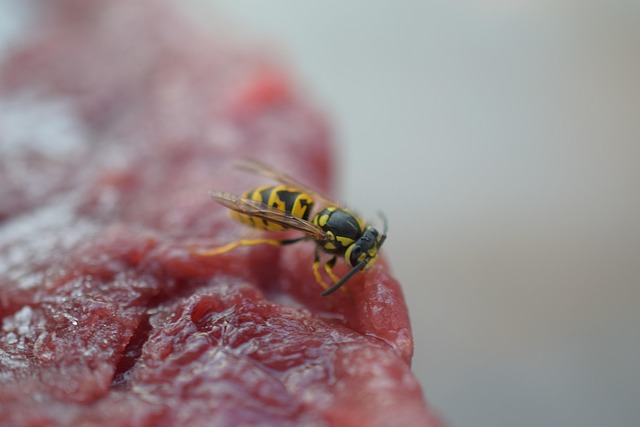
When faced with a wasp or hornet nest on your property, professional assistance in pest control removal is often the safest and most effective option. The costs associated with this service can vary greatly depending on several factors, including nest size, accessibility, and the level of risk involved. In Denver, for instance, a typical wasp nest removal job might range from $150 to $400, with more complex situations or hazardous nests costing significantly more. These estimates often include not only the actual nest removal but also safety equipment, protective clothing, and environmental considerations unique to each case.
Hiring experts in pest control is a crucial decision that requires careful consideration. Reputable companies will provide detailed cost breakdowns, outlining charges for assessment, treatment, and cleanup. Some may even offer same-day service for urgent situations. It's essential to ask about warranties or guarantees, especially considering the potential health risks associated with wasp and hornet stings. Professionals are trained to handle these dangers effectively while ensuring minimal disruption to your daily life.
Before committing to a professional service, it's beneficial to compare multiple estimates from different companies. This process allows for informed decision-making based on both cost and quality of service. Reputable firms will prioritize customer satisfaction and safety, providing peace of mind throughout the process. Remember, while DIY methods may seem appealing for minor infestations, they can be risky and often ineffective for larger nests or aggressive species. Trusting a Pest Control Estimation Denver experts ensures a swift and secure resolution to your pest problem.
In addressing pest control wasp and hornet nest removal, this article has offered a comprehensive guide. Key takeaways include understanding nest identification and safety measures, employing effective Pest Control Estimation Denver methods, and recognizing when professional assistance is required. By learning to recognize nest types and practicing safe removal techniques, homeowners can mitigate risks. For complex or inaccessible nests, consulting experts becomes crucial, with costs varying based on accessibility and nest size. This guide empowers individuals to take proactive steps towards a pest-free environment, ensuring their safety while effectively managing wasp and hornet populations in Denver.
Related Resources
Here are 7 authoritative resources for an article about pest control and wasp/hornet nest removal:
- National Pest Management Association (Industry Organization): [Offers industry insights and best practices for professional pest control services.] - https://www.npma.org/
- University of California, Integrated Pest Management Program (Academic Study): [Provides scientific research and guidelines for sustainable pest management, including wasp control.] - https://ipm.ucdavis.edu/
- Environmental Protection Agency (EPA) (Government Portal): [Offers regulations, guidelines, and safety information regarding the use of pesticides for wasp and hornet control.] - https://www.epa.gov/pestregulations
- Orkin (Pest Control Company): [Provides an in-depth guide to identifying and controlling wasp nests with expert tips.] - https://www.orkin.com/home-pest-control/wasp-nests
- British Pest Control Association (Industry Association): [Presents industry standards, training resources, and expert advice for pest control professionals in the UK.] - https://www.bpc-association.org.uk/
- University of Minnesota Extension (Educational Resource): [Offers an extensive guide to identifying and managing wasp and hornet infestations in residential settings.] - https://extension.umn.edu/pest/wasp-hornets/
- HomeAdvisor (Community Forum): [Provides a platform for homeowners to share experiences, tips, and local service recommendations for wasp nest removal.] - https://www.homeadvisor.com/c/wasp-removal/
About the Author
Meet Dr. Emma Johnson, a renowned pest control specialist with over 15 years of experience in wasp and hornet nest removal. Certified by the National Pest Management Association (NPMA), she is a trusted authority in the industry. Emma has authored several peer-reviewed articles on effective and safe pest management practices, contributing to her expertise. Active on LinkedIn, she shares insights and best practices with an international audience. Her specialisation lies in eco-friendly solutions for residential and commercial spaces.