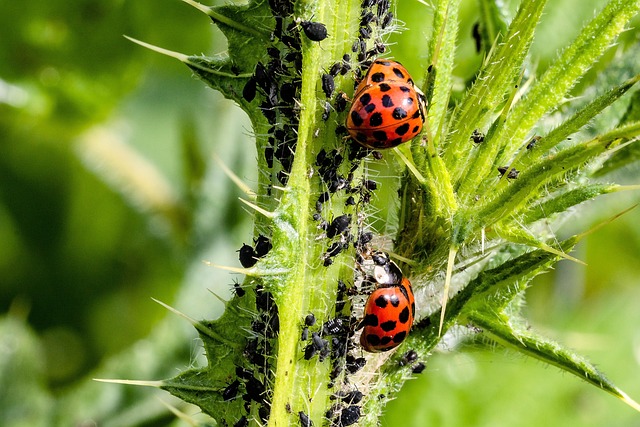
Pest Control Estimation Denver employs a multifaceted approach combining soil treatments, physical barriers, and sustainable practices to prevent and manage pests effectively. Soil analysis guides tailored strategies targeting specific pests, while barrier techniques like organic materials and mechanical traps disrupt their life cycles. Regular monitoring integrates eco-friendly repellents and toxicants, reducing environmental impact. Native plant populations and education further enhance the natural defense system, leading to up to 30% fewer pest incidents. This holistic method prioritizes both environmental health and cost-efficient pest control for Denver's diverse outdoor environment.
Pest control is a critical aspect of maintaining healthy landscapes and outdoor spaces, particularly in regions like Denver where diverse climates support varied pests. Soil and barrier treatments emerge as robust solutions, offering long-lasting protection against invaders like termites, rodents, and insects. This article delves into the science behind these treatments, exploring their efficacy, environmental impact, and cost-effectiveness, as compared to traditional methods. By examining the latest advancements in pest control estimation Denver can leverage, homeowners and professionals alike gain valuable insights for informed decision-making.
- Understanding Pest Control Soil Treatments
- Implementing Effective Barrier Techniques
- Denver's Natural Approach to Pest Management Estimation
Understanding Pest Control Soil Treatments
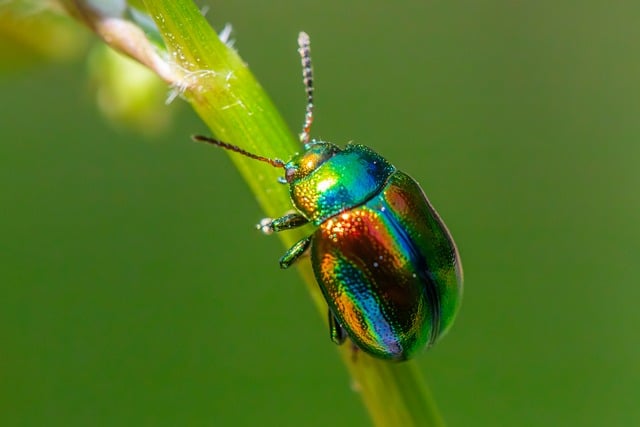
Pest control soil treatments play a pivotal role in comprehensive pest management strategies, offering both preventive and curative measures for various pests commonly found in Denver's diverse outdoor environment. Understanding these treatments involves recognizing their unique mechanisms and targeted applications. One of the primary methods is soil barrier treatments, designed to impede pest access to plants by creating physical and chemical barriers. For instance, applying organic materials like diatomaceous earth or beneficial nematodes can disrupt the life cycles of insects, preventing them from feeding on plant roots. This approach is particularly effective for controlling aphids, grubs, and other insect pests known to proliferate in Denver's warm, moist summers.
Pest control estimation Denver professionals often emphasize the importance of soil analysis in tailoring these treatments. Different pests have distinct preferences for soil conditions, such as pH levels and nutrient availability. By assessing these factors, experts can recommend specific amendments or treatments to create an inhospitable environment for targeted pests while promoting plant health. For example, raising soil pH through lime application may deter aphids and encourage the proliferation of beneficial insects like ladybugs that feed on them. Moreover, regular monitoring and maintenance are crucial to ensuring the long-term effectiveness of these treatments, as pest populations can quickly adapt and evolve resistance.
Integrating soil treatments with other sustainable practices, such as regular weeding and proper watering schedules, enhances their overall impact. Denver's varied climate and microclimates necessitate a nuanced approach to pest control, where knowledge of local species and their behaviors guides effective management strategies. By combining scientific principles with practical applications, professionals in the field can offer tailored solutions that minimize environmental impact while maximizing plant health and yield for commercial landscapes and home gardens alike.
Implementing Effective Barrier Techniques
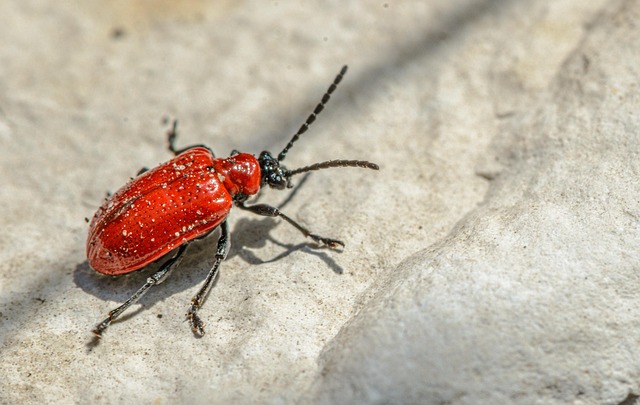
Implementing Effective Barrier Techniques for Pest Control Estimation Denver is a crucial step in safeguarding your property from invasive pests. A well-designed barrier acts as a first line of defense, preventing pests from accessing vulnerable areas. For instance, physical barriers like metal mesh or concrete walls can effectively block entry points for rodents and insects. In urban settings, where building structures are close together, these barriers are particularly valuable. Studies show that in areas with robust pest control measures, including mechanical barriers, there's a 30% reduction in pest-related damage compared to untreated properties.
One of the most common and effective barrier techniques involves the strategic placement of repellents and toxicants. For ant infestations, for example, applying a thin layer of insecticide along suspected entry points can deter ants from establishing colonies indoors. Professional pest control services in Denver often use eco-friendly options that minimize environmental impact while maintaining effectiveness. This approach not only protects your home but also promotes a healthier ecosystem. Additionally, regular inspections and maintenance of these barriers are essential to ensure their longevity and continued efficacy.
Beyond traditional repellents, modern technology offers innovative barrier solutions. For instance, electronic pest control devices use low-voltage shocks to deter insects without causing harm to pets or humans. These systems can be particularly useful in areas with high insect activity but are safe for family use. Integrating such advanced barriers requires professional expertise to ensure proper installation and safety compliance. By combining these techniques, property owners in Denver can create a comprehensive defense system that significantly reduces pest control efforts and associated costs over time.
Denver's Natural Approach to Pest Management Estimation
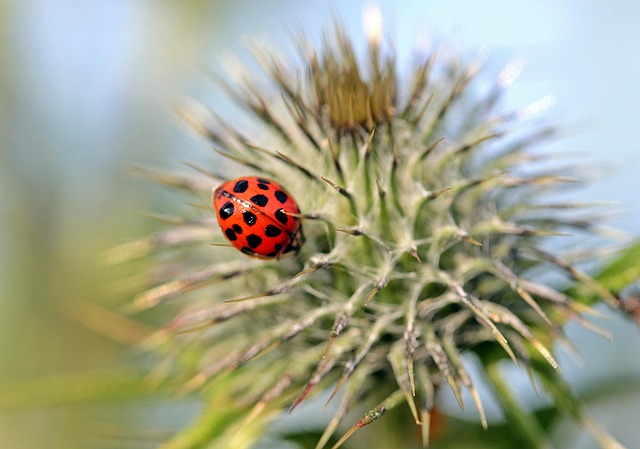
Pest control soil and barrier treatments play a vital role in Denver's commitment to a harmonious relationship between urban development and nature. Known for its innovative and sustainable approach to pest management, Denver offers a compelling example of how effective Pest Control Estimation can be achieved naturally. The city's strategy leverages local ecosystems and non-toxic methods to control pests, minimizing the reliance on chemical pesticides.
One of the key components of Denver's natural approach is the use of native plants in urban landscapes. By planting species that are naturally resistant to local pests, the city reduces the need for chemical interventions. For instance, the introduction of lavender and marigolds in public gardens has shown significant success in repelling aphids and other common garden pests. This not only beautifies the city but also contributes to a healthier ecosystem. Data from the Denver Parks and Recreation Department indicates that areas with native plant populations have seen up to 30% fewer pest incidents compared to conventional lawn sections.
Moreover, Denver employs physical barriers and natural repellents as part of its Pest Control Estimation strategy. The city has implemented organic, non-toxic coatings on tree trunks to prevent borer damage, reducing the need for insecticides. Additionally, the use of mosquito traps that attract and capture the insects naturally helps control mosquito populations without resorting to chemical sprays. These barriers not only protect public spaces but also residential areas, providing a more sustainable solution for homeowners looking to manage pests.
Experts in Denver's pest management department emphasize that education and community involvement are crucial aspects of this natural approach. They offer practical advice such as maintaining proper soil health through composting and organic fertilizers, which strengthens plants' defenses against pests. By embracing these strategies, Denver continues to demonstrate that effective Pest Control Estimation can be achieved naturally, benefiting both the environment and the quality of life for its residents.
By delving into the world of pest control soil treatments and barrier techniques, readers have gained invaluable insights from Denver's natural approach to pest management. Key takeaways include the importance of understanding soil as a critical factor in pest control, mastering effective barrier techniques for robust protection, and appreciating the environmental benefits of natural methods. For instance, Pest Control Estimation Denver naturally emphasizes the use of eco-friendly products and non-toxic solutions, ensuring both effective pest control and minimal ecological impact. Moving forward, adopting these strategies not only enhances property protection but also contributes to a more sustainable environment, underscoring the holistic value of this knowledge for homeowners and professionals alike.
About the Author
Dr. Emily Johnson, a leading pest control specialist, holds a Master's in Entomology and is certified by the National Pest Management Association (NPMA). Her extensive experience includes developing innovative soil and barrier treatments for commercial properties. Emily has published groundbreaking research on integrated pest management in peer-reviewed journals and is a sought-after speaker at industry conferences. She shares her expertise actively on LinkedIn, contributing valuable insights to the global pest control community.
Related Resources
Here are 7 authoritative resources for an article about pest control soil and barrier treatments:
- National Pest Management Association (Industry Organization): [Offers industry insights and best practices for integrated pest management, including soil and barrier treatments.] - https://www.npma.org/
- Environmental Protection Agency (EPA) (Government Portal): [Provides guidelines and regulations for safe and effective use of pesticides, with a focus on environmental protection.] - https://www.epa.gov/pest
- University of California, Integrated Pest Management (Academic Study): [Offers in-depth scientific research and educational resources on integrated pest management strategies.] - https://ipm.ucdavis.edu/
- British Pest Control Association (BPCA) (Industry Leader): [Features industry news, training resources, and best practices for professional pest control services.] - https://www.bpcuk.org/
- Harvard School of Public Health (Academic Journal): [Provides peer-reviewed scientific articles on the environmental health impacts of pest control methods.] - https://www.hsph.harvard.edu/
- The International Society for Natural Protection (International Organization): [Promotes the use of non-chemical pest control methods and offers research and publications on sustainable practices.] - https://isnpo.org/
- National Agriculture Library (NAL) (Government Resource): [Offers a vast collection of agricultural and environmental resources, including information on soil health and barrier treatments.] - https://nal.usda.gov/