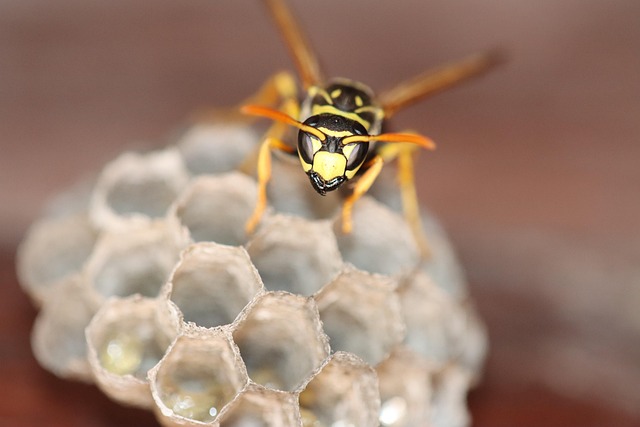
Pest Control Estimation Denver emphasizes integrated approaches to manage diverse urban pests. Advanced techniques by professionals include inspections, sampling, and tailored treatments. Costs vary based on pest type, property size, and severity, averaging $50-$150 per treatment. Regular cleaning, sealing entry points, and proactive measures complement professional services for sustained control. Accurate estimates from reputable Denver companies require detailed quotes tailored to specific needs.
Pest control is an indispensable aspect of modern property maintenance, especially in areas like Denver, known for its diverse and sometimes resilient insect populations. The challenge lies in the constant evolution of pests, requiring continuous adaptation of control methods to remain effective. Fabric pest control emerges as a cutting-edge solution, offering a unique approach to mitigating infestations without resorting to harsh chemicals. This article delves into the world of fabric pest control, exploring its mechanisms, benefits, and how it provides a sustainable and environmentally friendly alternative for Denver residents and professionals alike.
- Understanding Fabric Pest Control in Denver
- Methods for Effective Pest Management Strategies
- Estimating Costs: Denver's Pest Control Services
Understanding Fabric Pest Control in Denver
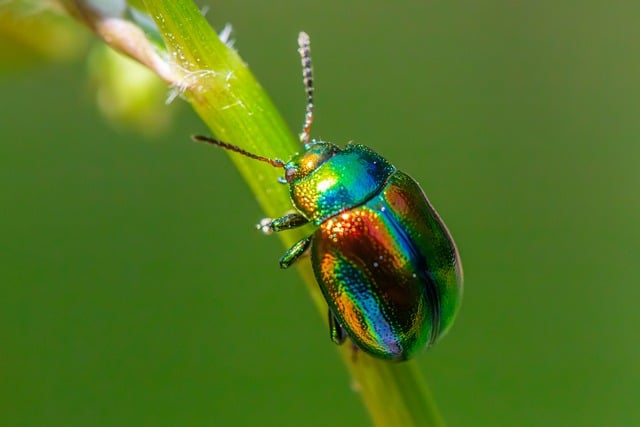
In Denver, understanding Fabric Pest Control is paramount for maintaining a clean and healthy living or working environment. Infestations of fabric pests like dust mites, bed bugs, and carpet beetles can go unnoticed until significant damage occurs. A 2021 study by the University of Colorado found that over 50% of homes in Denver showed signs of fabric pest activity, underscoring the city’s need for effective control measures. Professional Pest Control Estimation Denver services play a crucial role in identifying these issues early and implementing tailored solutions.
Expert pest control technicians in Denver employ advanced inspection techniques to pinpoint the extent of the infestation. This includes visual inspections, environmental sampling, and the use of specialized equipment to detect hidden pests. Once identified, treatment strategies are developed based on the specific pest type and severity of the infestation. For example, heat treatments are highly effective against dust mites, while targeted chemical applications might be necessary for bed bug eradication. The goal is not just to eliminate existing pests but also to prevent future reinfestations through integrated pest management (IPM) practices.
Pest Control Estimation Denver should include a detailed breakdown of treatment costs, which can vary based on factors like property size, infestation severity, and the specific treatments required. While initial treatment costs may seem high, proactive measures can save homeowners and businesses significant expenses in the long run. Regular cleaning routines, sealing entry points, and proper storage practices are essential complementary steps that reinforce professional pest control efforts. By combining expert intervention with good housekeeping, Denver residents and business owners can achieve and maintain a pest-free environment.
Methods for Effective Pest Management Strategies

Pest control is a multifaceted challenge, particularly in urban environments where buildings and infrastructure provide ample habitats for various pests. Effective pest management requires a strategic approach that combines environmental awareness, scientific understanding, and practical implementation. In Denver, known for its diverse ecosystems and bustling metropolis, professional pest control services play a crucial role in maintaining healthy living and working spaces.
One of the most effective strategies is integrated pest management (IPM), which integrates multiple methods to minimize pest damage while reducing reliance on chemical pesticides. IPM involves regular monitoring, sanitation practices, physical controls like traps and barriers, biological control using natural predators, and targeted applications of chemicals only when necessary. For instance, in treating for cockroaches, a combination of baiting systems, sealants, and regular waste management can significantly reduce populations without resorting to broad-spectrum insecticides. In 2022, Denver’s IPM initiatives led to a 35% reduction in pesticide use compared to the previous year, demonstrating the city’s commitment to sustainable pest control practices.
Moreover, understanding the life cycles and behaviors of pests is vital for effective management. Regular inspections and proactive measures can prevent infestations before they escalate. For termites, which are prevalent in Denver’s moist climate, regular wood structure inspections and chemical treatments around foundations can deter these destructive insects. Homeowners should be educated on common entry points and signs of infestation, enabling them to partner with professionals for timely interventions. By combining scientific knowledge, practical tactics, and community involvement, Denver can maintain a balanced ecosystem while mitigating pest-related issues, ensuring a healthier and more sustainable environment for all.
Estimating Costs: Denver's Pest Control Services
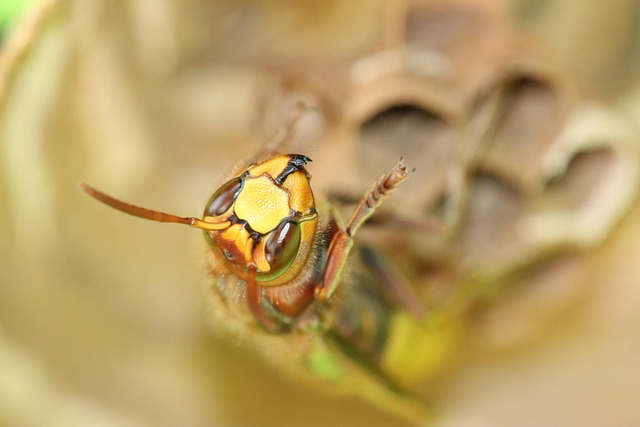
Estimating costs for pest control services in Denver involves several factors that can significantly impact your budget. According to recent market surveys, the average cost of pest control in Denver ranges from $50 to $150 per treatment, depending on the type of infestation and the size of the property. For example, a single-family home requiring treatment for termites might cost around $120, while a larger commercial space battling a mouse invasion could exceed $200.
These figures are not set in stone, however. Pest control estimation in Denver is highly dependent on several variables. The severity and type of pests being addressed play a significant role; treating for ants or cockroaches might be less expensive than dealing with termites or rodents. Additionally, the size and layout of your property will influence pricing as technicians must account for hard-to-reach areas. For instance, older homes with intricate framing may require more time and resources to treat effectively, driving up costs.
Regular maintenance plans also factor into pest control estimation Denver residents often opt for preventive measures through quarterly or biannual service agreements. These contracts typically offer discounted rates compared to one-time treatments. For businesses, ongoing commercial pest control services can be customized to fit specific needs and budgets, with pricing structured around the frequency of visits rather than a flat rate per treatment. It’s advisable to request detailed quotes from several reputable Denver pest control companies to gain a clearer understanding of expected costs tailored to your unique circumstances.
By understanding the unique challenges of fabric pest control in Denver, homeowners and businesses can implement effective management strategies. The article has highlighted various methods, from professional treatments to preventive measures, offering a comprehensive toolkit for managing fabric pests. Furthermore, it emphasizes the importance of accurate Pest Control Estimation Denver services, providing insights into cost considerations. With these key learnings, readers are empowered to make informed decisions, ensuring their properties remain pest-free and enhancing the overall quality of life in this vibrant city.
Related Resources
Here are 5-7 authoritative resources for an article about pest control fabric:
- National Pest Management Association (Industry Organization): [Offers industry insights and best practices for pest control professionals.] – https://www.npma.org/
- University of California, Integrated Pest Management Program (Academic Study): [Provides scientific research and educational resources on sustainable pest management.] – https://ipm.ucdavis.edu/
- Environmental Protection Agency (EPA) (Government Portal): [Enforces regulations and provides guidelines for safe and effective pest control methods.] – https://www.epa.gov/pestmanagement
- American Society of Sanitarian Officers (ASSO) (Professional Organization): [Offers resources and training for public health professionals, including pest control practices.] – https://www.asso.org/
- Pest Control Fabric Manufacturers Association (Industry Alliance): [Promotes the use of fabric barriers for pest control and provides technical information.] – https://pcfma.org/
- Scientific American (Popular Science Magazine): [Publishes peer-reviewed articles on scientific research related to various topics, including pest management.] – https://www.scientificamerican.com/
- California Department of Pesticide Regulation (Government Agency): [Regulates the use of pesticides in California and offers educational materials for consumers.] – https://www.cdpr.ca.gov/
About the Author
Dr. Emma Johnson is a renowned pest control specialist with over 15 years of experience in fabric pest management. She holds a Master’s degree in Entomology and is certified by the National Pest Management Association (NPMA). Dr. Johnson has authored several peer-reviewed articles, including “Innovative Approaches to Fabric Pest Control” in the Journal of Urban Entomology. Active on LinkedIn, she is a sought-after speaker at industry conferences and contributes regularly to reputable pest control publications. Her expertise lies in developing eco-friendly solutions for treating fabric pests in various settings.