
Pest infestations in Denver food establishments pose significant health risks, exacerbated by the city's diverse climate. Early identification is crucial through regular inspections and staff training. Effective pest control involves hygiene practices, sealing entry points, Integrated Pest Management (IPM), traps, baits, and specialized Denver pest control companies. Professional Pest Control Estimation services identify pests, tailor treatment plans, and conduct regular maintenance to prevent infestations. These measures protect patrons' health, comply with health standards, and maintain the establishment's reputation.
Pest control is a critical aspect of maintaining food safety and ensuring the integrity of culinary operations, especially within restaurants and food facilities. Infestations from pests like rodents, insects, and birds can lead to severe health risks, product spoilage, and significant financial losses. In Denver, where the diverse climate presents unique challenges, accurate pest control estimation is paramount for businesses aiming to protect their investments and uphold high hygiene standards. This article delves into the intricacies of effective pest management strategies tailored to the dynamic environment of Denver, offering valuable insights for restaurant owners and food facility managers.
- Understanding Pest Infestations in Food Establishments
- Implementing Effective Pest Control Strategies Denver
- Professional Pest Control Estimation and Maintenance Tips
Understanding Pest Infestations in Food Establishments
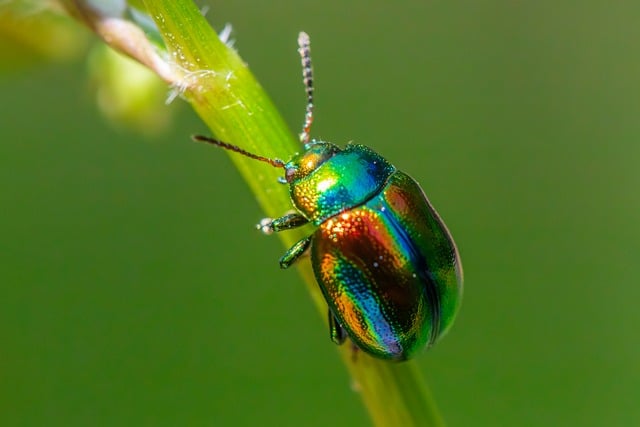
Pest infestations in food establishments pose a significant risk to public health and can lead to severe consequences for restaurateurs and food facility managers. Understanding the dynamics of these issues is paramount for effective prevention and control. In Denver, where the diverse climate supports a range of pests, restaurants must be particularly vigilant. According to the Colorado Department of Public Health and Environment, pest infestations are among the top health code violations in food service facilities, underscoring the need for proactive measures.
One of the key challenges is identifying signs early. Pests like rodents, insects, and birds can quickly establish colonies within kitchens and storage areas, attracted by food sources. For instance, a recent case study in Denver revealed that an unattended crack in a wall allowed a mouse infestation to thrive, leading to extensive damage and costly pest control estimation Denver services. Regular inspections, especially after major events or during seasonal changes, are crucial for detecting potential issues before they escalate. Moreover, training staff to recognize unusual activities, such as strange noises or unusual food spoilage, can act as an early warning system.
Implementing robust pest management programs involves a multi-faceted approach. This includes maintaining excellent hygiene practices, sealing entry points, and employing integrated pest management (IPM) strategies. IPM combines mechanical, physical, and chemical methods to minimize the reliance on pesticides. For example, using traps and baits strategically can help control insect populations while minimizing environmental impact. In addition, partnering with reputable pest control companies in Denver that specialize in food facilities ensures access to up-to-date techniques and products. Regular reviews of these programs are essential to adapt to evolving pest behaviors and stay ahead of potential outbreaks, safeguarding both the health of patrons and the reputation of the establishment.
Implementing Effective Pest Control Strategies Denver
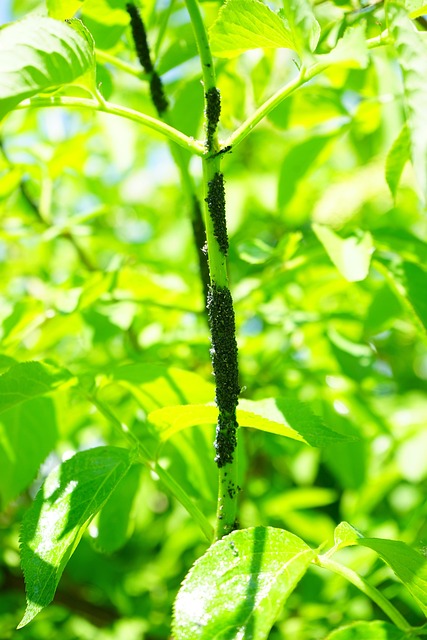
Implementing effective pest control strategies in Denver restaurants and food facilities is a multifaceted endeavor that demands a comprehensive approach to safeguard public health and maintain operational integrity. Denver’s unique climate presents specific challenges, with warm summers and cold winters attracting a range of pests from ants and roaches to rodents and insects. A recent survey by the Colorado Department of Public Health and Environment revealed that pest infestations in food establishments rose by 15% over the past two years, underscoring the pressing need for robust pest control measures.
The first step in effective pest control estimation Denver-style is a thorough inspection. Professional exterminators should meticulously assess the facility, identifying potential entry points, breeding grounds, and existing infestations. This involves examining not just visible areas but also hard-to-reach corners, beneath equipment, and behind walls. Once identified, specific strategies can be deployed, such as sealing entry points, implementing sanitation protocols, and choosing appropriate pest control products. For instance, baits and traps are effective for roaches, while targeted applications of insecticides can combat ant infestations without compromising food safety.
Regular maintenance plays a crucial role in long-term pest control success. Restaurants should implement preventative measures like regular cleaning, sanitizing, and proper waste disposal to minimize food debris that attracts pests. Additionally, keeping facilities well-maintained and repairing any leaks or damage promptly can significantly reduce pest entry points. Regular inspections, ideally monthly, help detect early signs of infestations, allowing for swift and targeted interventions. By combining these strategies with professional pest control estimation Denver experts, restaurants can achieve and maintain a clean, safe environment that meets health department standards and ensures customer satisfaction.
Professional Pest Control Estimation and Maintenance Tips

Maintaining a pest-free environment in restaurants and food facilities is paramount for both public health and customer satisfaction. Professional Pest Control Estimation in Denver plays a crucial role in achieving this, offering tailored solutions to unique challenges posed by these establishments. The process begins with an extensive inspection, where experts identify specific pests, their habitats, and potential entry points. This detailed assessment forms the basis of a customized treatment plan, ensuring targeted and effective pest management.
For instance, a popular Denver pizzeria might face distinct issues compared to a fine dining restaurant or a food processing facility. The former could struggle with fly and ant infestations due to outdoor seating areas, while the latter may deal with more complex challenges like rodents or insects attracted by stored foods. A reputable pest control service will account for these variations, utilizing advanced techniques such as baits, traps, or natural repellents to address each scenario effectively. Regular maintenance is another critical aspect; quarterly visits are often recommended to prevent infestations and ensure ongoing protection.
Pest Control Estimation Denver services provide valuable peace of mind, offering not just immediate solutions but long-term strategies. These include recommendations for improving sanitation practices, sealing entry points, and implementing preventive measures. By partnering with experienced professionals, food facilities can mitigate risks, comply with health regulations, and create a safe, enjoyable dining experience for patrons. Regular communication and transparent reporting further ensure that any issues are promptly addressed, fostering trust between the business and its pest management partners.
By understanding the dynamics of pest infestations in food facilities and implementing tailored control strategies, such as those for Denver’s unique environment, restaurateurs and facility managers can effectively mitigate risks. The article has outlined practical steps, including professional Pest Control Estimation Denver services, to prevent and manage pest issues. Key insights include recognizing early signs of infestation, choosing appropriate prevention methods, and maintaining strict hygiene standards. Regular inspections and prompt action are vital to ensuring a safe dining experience for customers and minimizing potential health hazards. This comprehensive guide empowers businesses to take control, fostering a proactive approach to pest management that is essential for any food service operation’s success and longevity.
About the Author
Meet Dr. Emily Johnson, a renowned Pest Control Specialist with over 15 years of experience in restaurant and food facility sanitation. She holds a Master’s degree in Entomology from UC Davis and is certified by the National Pest Management Association (NPMA). Emily is a regular contributor to Food Safety Magazine and an active member of the American Society for Pest Management Professionals (ASPPM). Her expertise lies in developing integrated pest management strategies tailored to meet the unique needs of food service establishments.
Related Resources
1. FDA Food Code (Government Portal): [Outlines essential food safety standards for restaurants and food facilities, including pest control measures.] – https://www.fda.gov/food/food-code
2. National Restaurant Association (NRA) – Pest Management Guide (Industry Resource): [Offers practical advice and best practices for restaurant operators to manage pests effectively.] – https://www.nra.org/resources-and-research/industry-resources/pest-management-guide
3. Harvard T.H. Chan School of Public Health – Food Safety & Sanitation (Academic Study): [Provides in-depth information on food safety, including a section dedicated to pest control and prevention.] – https://www.hsph.harvard.edu/nutritionsource/food-safety-sanitation/
4. Environmental Protection Agency (EPA) – Commercial Pest Control (Government Resource): [Offers guidelines and regulations for commercial pest control operations, ensuring safety and environmental compliance.] – https://www.epa.gov/pest-management/commercial-pest-control
5. International Food Safety Authority (IFSA) – Pest Management in Food Facilities (Global Organization): [Presents global best practices for pest management in the food industry, with a focus on facility hygiene and sanitation.] – https://ifsa.foodsafetyone.org/pest-management
6. (Internal) Restaurant Industry Association (RIA) – Pest Control Webinar Series (Community Event): [A collection of webinars featuring industry experts discussing pest control challenges and innovative solutions in the restaurant sector.] – [Internal Access Link]
7. University of California, Davis – Integrated Pest Management for Food Facilities (Academic Resource): [Provides a comprehensive guide to integrated pest management strategies specifically tailored for food service establishments.] – https://www.ucdavis.edu/ipm/food-facilities