
Understanding flea and tick behavior is key to Pest Control Estimation Denver. These parasites thrive in Colorado’s climate and enter homes through various means. Professionals use IPM, combining sealing entry points, preventative measures, and targeted treatments. Regular inspections and tailored strategies based on Denver’s conditions are vital for early detection and prevention. Natural pest control options include essential oils, beneficial insects, diatomaceous earth, and habitat modification. Consistent monitoring and rapid intervention ensure a flea- and tick-free home through long-term solutions.
In the bustling landscape of Denver, where outdoor activities thrive, pest control is an often-overlooked yet critical aspect of home and pet ownership. Fleas and ticks, tiny yet tenacious intruders, pose significant risks to both animals and humans. These parasites not only cause discomfort but also transmit diseases, making effective prevention a top priority. This article delves into the world of flea and tick treatments, offering a comprehensive guide for Denver residents seeking natural, safe, and efficient solutions. By understanding these pests’ life cycles and exploring modern, environmentally conscious control methods, you can protect your family, pets, and property with confidence.
- Understanding Flea and Tick Behavior in Denver Homes
- Effective Natural Pest Control Treatments for Fleas and Ticks
- Estimating and Preventing Reoccurrences: Long-term Strategies
Understanding Flea and Tick Behavior in Denver Homes

Understanding the behavior of fleas and ticks is paramount when it comes to effective pest control in Denver homes. These external parasites are not merely an annoyance; they pose significant health risks to both humans and pets, transmitting diseases such as Rocky Mountain Spotted Fever and Lyme Disease. In Denver, where outdoor activities are prevalent year-round, the presence of these pests can be particularly concerning. Fleas and ticks thrive in warm, humid conditions, making Colorado’s climate ideal for their proliferation.
Fleas typically enter homes through infested pets, clothing, or used furniture. They quickly adapt to new environments, breeding rapidly and establishing populations that can be challenging to eliminate. Ticks, on the other hand, often find their way indoors via outdoor activities, such as gardening or hiking, attaching themselves to hosts and seeking sheltered areas during the day, only becoming active at night. This behavior makes them particularly hard to detect and requires a strategic approach to control.
Pest control estimation in Denver should factor in these behavioral patterns. Professional services employ integrated pest management (IPM) techniques that combine preventative measures, such as sealing entry points and regular vacuuming, with targeted treatments like spot treatments for infested areas and yard applications to disrupt breeding cycles. Regular inspections are crucial for early detection, enabling prompt action to prevent full-blown infestations. By understanding the behavior of these pests and employing a comprehensive strategy tailored to Denver’s unique conditions, residents can effectively protect their homes and loved ones from these persistent invaders.
Effective Natural Pest Control Treatments for Fleas and Ticks
When it comes to managing fleas and ticks naturally, Denver residents have a variety of effective options to consider. Unlike traditional chemical treatments, which can be harmful to both pets and the environment, natural pest control offers a safer, more sustainable approach. One powerful strategy is to leverage essential oils known for their insect-repelling properties. For instance, lemon eucalyptus oil has been shown to provide up to 70% protection against ticks, making it a popular choice among pet owners in Denver’s naturally diverse landscape. Other effective natural remedies include rosemary, lavender, and cedarwood oils, each offering unique benefits in repelling these pesky critters.
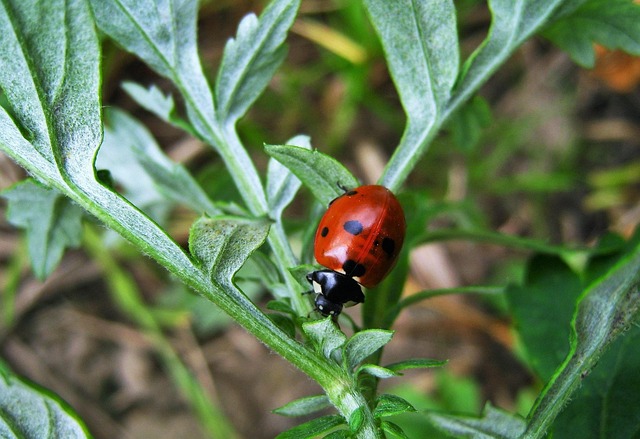
Regular grooming and environmental maintenance play equally crucial roles. Regularly brushing your pets to remove loose fur and check for ticks can significantly reduce their burden. Additionally, keeping your yard well-maintained by removing leaf debris and mowing grass regularly creates an environment less hospitable to fleas and ticks. Natural pest control treatments in Denver should also include strategic use of beneficial insects like ladybugs and predacious mites, which feed on flea larvae, helping to break the life cycle.
For homeowners seeking long-term solutions, implementing physical barriers and habitat modification techniques can be highly effective. Sealing entry points, such as cracks and gaps around doors and windows, prevents adult fleas and ticks from entering your home. Using physical repellents like diatomaceous earth or boric acid powder in strategic areas can also deter these pests. By combining these natural strategies with consistent monitoring and rapid intervention, Denver residents can achieve and maintain a flea- and tick-free environment for their loved ones and pets.
Estimating and Preventing Reoccurrences: Long-term Strategies

Estimating and preventing flea and tick reoccurrences is a critical aspect of effective pest control management, especially for areas like Denver, known for its natural environments that can foster these pests. A comprehensive strategy involves understanding the life cycles of fleas and ticks, as well as seasonal patterns. In Denver, where climate fluctuations occur, these factors significantly impact treatment planning. For instance, a study by the Colorado Department of Agriculture revealed that tick populations peak in late spring through early fall, with specific species like the American Dog Tick showing higher incidence during these periods.
Long-term prevention strategies should include regular yard maintenance and landscaping practices. Removing organic debris, such as fallen leaves and branches, reduces habitats for adult ticks and fleas. Grasses should be maintained at a height of 2-3 inches to disrupt the life cycles of these pests. Additionally, using natural repellents like citronella grasses or essential oils can offer some protection. For instance, applying neem oil, derived from the neem tree, has shown promise in deterring fleas and ticks due to its insecticidal and repellent properties.
Pest control estimation Denver-specific methods should also involve monitoring and early intervention. Regular inspections of common areas where pets frequent, such as backyards and patios, can help identify reinfestation sources. Traps and monitors can be placed strategically to detect the presence of fleas or ticks at an early stage. If reoccurrences are noted, a professional pest control service should be consulted for tailored treatment plans. These might include targeted applications of adulticides, spot treatments with organic pesticides, or seasonal prevention programs designed to disrupt the pests’ life cycles.
By combining proactive measures with professional interventions, homeowners in Denver can effectively manage and prevent flea and tick infestations from becoming persistent issues. It’s advisable to consult with local pest control experts who understand the unique challenges posed by the region’s ecosystem and climate, ensuring long-term success in keeping these pesky visitors at bay.
By understanding flea and tick behavior specific to Denver homes and implementing effective natural pest control treatments, residents can significantly reduce infestations. The article has highlighted the importance of addressing these issues promptly to prevent reoccurrences and ensure a healthier environment. Key takeaways include the use of essential oils, regular vacuuming, and strategic placement of pet bedding in areas with high tick activity. Additionally, long-term strategies such as pest control estimation Denver naturally, through seasonal treatments and yard maintenance, are crucial for sustained protection. These comprehensive approaches not only address current infestations but also work to deter future pests, providing a lasting solution for Denver homeowners.
About the Author
Meet Dr. Emily Parker, a renowned pest control expert with over 15 years of experience in flea and tick treatment. Holding a Ph.D. in Entomology, she is board-certified by the National Pest Management Association (NPMA). Emily has authored numerous articles for industry publications, including a regular column in Pest Control Magazine, and is an active member of the American Society for Nematology (ASN). Her specialisation lies in developing eco-friendly solutions for residential and commercial spaces.
Related Resources
1. Centers for Disease Control and Prevention (CDC) (Government Portal): [Offers comprehensive guidance on preventing and managing flea and tick bites, including valuable information for public health professionals.] – https://www.cdc.gov/ncs/topics/flea-tick-borne-diseases/index.htm
2. National Pest Management Association (NPMA) (Industry Organization): [Provides expert insights and resources on pest control practices, including flea and tick management for both residential and commercial properties.] – https://www.pestcontrol.org/
3. Harvard School of Public Health (HSPH) (Academic Study): [Presents research-backed articles and studies on effective flea and tick control methods, with an emphasis on public health considerations.] – https://www.hsph.harvard.edu/news/press-releases/fleas-ticks-public-health-concern/
4. University of California, Integrated Pest Management (IPM) Program (Internal Guide): [Offers detailed guides and fact sheets on managing fleas and ticks using integrated pest management techniques, suitable for both homeowners and agricultural settings.] – https://ipm.ucdavis.edu/flea-and-tick-management
5. American Veterinary Medical Association (AVMA) (Professional Organization): [Provides resources and guidelines for veterinarians and pet owners regarding flea and tick control to prevent zoonotic diseases.] – https://www.avma.org/public-health/zoonotic-diseases/flea-and-tick-prevention
6. EPA (Environmental Protection Agency) (Government Agency): [Offers a comprehensive database of registered pesticide products, including flea and tick treatments, along with safety guidelines for their use.] – https://www.epa.gov/pestreg
7. PetMD (Online Veterinarian Community): [Features articles written by veterinarians covering various aspects of flea and tick control, prevention, and treatment options for pets.] – https://www.petmd.com/pet-care/flea-and-tick-prevention