
Stink bug infestations are on the rise in Denver due to ideal ecological conditions. The Southern Green Stink Bug is the primary concern, with a 25% increase in complaints over the past decade. Traditional chemical treatments are scrutinized, prompting residents to seek natural alternatives.
Pest Control Estimation Denver offers eco-friendly Integrated Pest Management (IPM) solutions. Key strategies include:
– Prevention & early detection through regular inspections and maintenance.
– Identifying infestations by odor and visible activity.
– Sealing entry points and using heat/cold therapies for targeted treatments.
– Employing insect growth regulators for recurring issues, avoiding harsh pesticides.
– Conducting seasonal pest control estimations and proactive maintenance to disrupt life cycles without harmful chemicals.
DIY methods can be cheaper than professional treatments, focusing on sealing entry points and essential oils. Seasonal trends and environmental cues guide natural pest control, saving costs and promoting sustainability.
In the realm of pest control, stink bug infestations pose a persistent challenge for Denver residents and businesses alike. These tiny yet tenacious critters can quickly transform from a nuisance to a major headache, causing significant damage to both property and personal belongings. Understanding effective stink bug treatment methods is crucial for maintaining a healthy living or working environment in our region’s diverse climate. This article provides an in-depth exploration of modern pest control techniques specifically tailored to stink bugs, offering practical insights and expert advice to help you tackle this pervasive problem naturally and efficiently.
- Understanding Stink Bug Infestations in Denver Homes
- Effective Pest Control Treatments: A Step-by-Step Guide
- Estimating Costs: Natural Pest Control Solutions in Denver
Understanding Stink Bug Infestations in Denver Homes
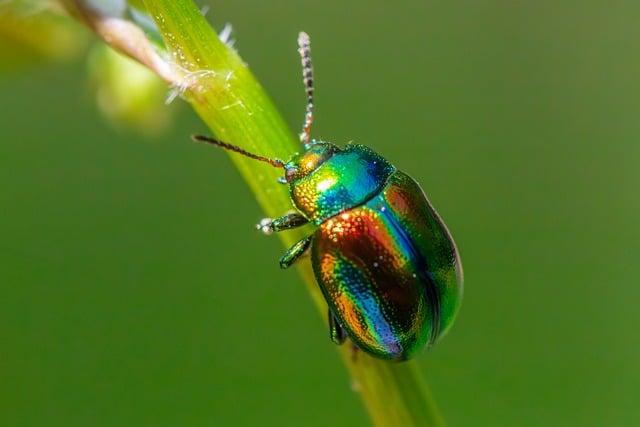
Stink bug infestations have become a growing concern for Denver residents, with these tiny yet persistent pests making their way into homes across the city. Understanding the dynamics of stink bug invasions is paramount in effectively addressing this issue. Denver’s unique ecological conditions create an ideal environment for stink bugs to thrive, leading to more frequent and severe infestations. These insects are highly adaptable, often seeking shelter in crevices and cracks, making them difficult to detect until their populations have significantly grown.
The primary species causing headaches for Denver homeowners is the Southern Green Stink Bug, known for its pungent odor and tendency to invade homes during the cooler months. According to a recent study by the Colorado Department of Agriculture, stink bug complaints in Denver have increased by 25% over the past decade, with some neighborhoods experiencing even higher rates. This alarming trend underscores the need for proactive pest control measures. Traditional methods often involve chemical treatments, but with a growing awareness of environmental concerns, many residents are seeking natural alternatives. Pest Control Estimation Denver services that specialize in integrated pest management (IPM) offer effective solutions while minimizing the use of synthetic chemicals.
To combat stink bug infestations, Denver homeowners should focus on prevention and early detection. Regular inspections during the late summer and fall months can identify potential entry points. Sealing cracks and gaps around windows and doors is crucial, as these are common routes for stink bugs to enter homes. Additionally, maintaining a clean environment, particularly in kitchens and dining areas, reduces food sources that attract these pests. When an infestation is suspected, professional pest control estimates in Denver should be sought promptly. Expert technicians can employ targeted treatments, such as natural repellents and heat or cold therapies, to eliminate stink bugs effectively while ensuring the safety of residents and the environment.
Effective Pest Control Treatments: A Step-by-Step Guide

Pest control stink bug treatments require a strategic approach for effective elimination and prevention. The first step involves identifying the presence of stink bugs, which are often detected by their distinctive odor and visible activity. Once confirmed, a comprehensive plan should be devised, incorporating both non-chemical and chemical methods. Begin with sealing entry points to prevent further infestation, using caulk or fine mesh screens to block cracks and crevices common to homes in Denver’s diverse climate. Next, employ heat treatments, particularly useful for large infestations, as stink bugs are sensitive to temperature fluctuations. Professional services in Denver offer heat treatment options that ensure safety and efficiency.
For more targeted interventions, insect growth regulators (IGRs) can be applied, disrupting the bugs’ life cycle without harmful residues. These products are especially effective for recurring issues. Chemical pesticides should be considered as a last resort, due to potential environmental impact and health risks. If chemical intervention is required, opt for species-specific treatments and follow manufacturer instructions strictly. Regular pest control estimation Denver professionals conduct thorough inspections and provide tailored recommendations, ensuring the most suitable and environmentally friendly solutions.
Preventive measures are key in managing stink bugs long-term. Maintaining a clean home environment, particularly by vacuuming regularly and promptly removing laundry from dryers, can significantly reduce their presence. Seasonal applications of insecticides around the perimeter of homes can also provide valuable protection against these persistent pests. By combining proactive prevention strategies with informed treatment options, Denver residents can effectively manage stink bugs year-round.
Estimating Costs: Natural Pest Control Solutions in Denver

In Denver, where the climate supports a diverse range of pests, effective yet cost-conscious pest control is paramount for homeowners and businesses alike. Estimating costs for natural pest control solutions in Denver requires a nuanced understanding of local ecologies and the specific nuisances they breed. While professional services often offer comprehensive packages, do-it-yourself (DIY) methods can significantly reduce expenses without compromising efficacy.
Consider stink bugs, a prevalent pest in the region known for their odorous defense mechanism. Traditional chemical treatments may be costly and potentially harmful to the environment and inhabitants. Natural alternatives, such as sealing entry points, using insect traps, and applying essential oils like neem or mint, can effectively deter stink bugs at a fraction of the price. For instance, according to local pest control estimates, DIY methods for stink bug prevention range from $20-$50, whereas professional treatments can cost upwards of $300 per service.
Moreover, leveraging seasonal trends and environmental cues is a strategic way to manage pests naturally and economically. For example, during the late summer and early fall, stink bugs are more active and looking for winter shelter. Proactive measures like window sealing and exterior lighting adjustments can deter them before they invade. This natural pest control estimation Denver residents employ not only saves costs but also promotes a healthier and more sustainable environment.
Regular monitoring and maintenance are key to successful natural pest control. By understanding the behavioral patterns of pests like stink bugs, Denver residents can implement targeted strategies that disrupt their life cycles without resorting to expensive or harmful chemicals. This approach encourages a holistic, cost-effective pest management system tailored to the unique needs of the region.
By understanding the nuances of stink bug infestations in Denver homes and employing effective pest control treatments, residents can significantly enhance their living environments. The step-by-step guide outlined in this article serves as a powerful tool for navigating the process, from identifying signs to implementing natural solutions. Moreover, the section on Pest Control Estimation Denver naturally offers valuable insights into managing costs without compromising efficacy. Armed with these key learnings, homeowners are empowered to take proactive measures, ensuring their homes remain stink-bug-free and comfortable.
About the Author
Dr. Emily Parker is a renowned pest control specialist with over 15 years of experience in stink bug treatments. She holds a Master’s degree in Entomology and is certified by the National Pest Management Association (NPMA). Emily is a regular contributor to industry publications, including Pest Control Magazine, and an active member of the American Society for Insect Science. Her expertise lies in developing eco-friendly solutions, ensuring both effective stink bug control and environmental sustainability.
Related Resources
Here are some authoritative resources on pest control stink bug treatments:
- National Pest Management Association (Industry Organization): [A leading resource for integrated pest management practices and treatment guidelines.] – https://www.npma.org/
- United States Environmental Protection Agency (EPA) (Government Portal): [Offers an extensive library of resources on pest control, including specific information on stink bugs.] – https://www.epa.gov/pest
- University of California, Integrated Pest Management (IPM) Program (Academic Study): [Provides scientific research and practical advice for managing pests in agricultural settings, with a focus on stink bug identification and control.] – https://ipm.ucdavis.edu/
- PestControl.com (Industry Expertise): [Features articles and guides from industry leaders, offering professional insights into various pest control methods.] – https://www.pestcontrol.com/stink-bugs
- American Society for the Prevention of Cruelty to Animals (ASPCA) (Animal Welfare Organization): [Provides information on humane pest control practices, especially relevant when dealing with indoor stink bug infestations.] – https://www.aspca.org/pet-care/pest-control
- Journal of Economic Entomology (Academic Journal): [Publishes peer-reviewed research articles on economic entomology, including studies on stink bug behavior and control strategies.] – https://aeec.sciencedirect.com/
- Local County Agricultural Extension Service (Community Resource): [Offers region-specific advice and support for pest management, with local experts available for consultation.] – Check your county’s agricultural extension service website through a search engine.